
Learning Guide
Curiora Learning Guide
Follow curiosity. Build learning into everyday life.
Learning can begin with a word, a number, a question, a puzzle, or an everyday task. This guide helps families choose thoughtful activities and learning tools that invite children to notice, explore, communicate, create, and practice at a comfortable pace.
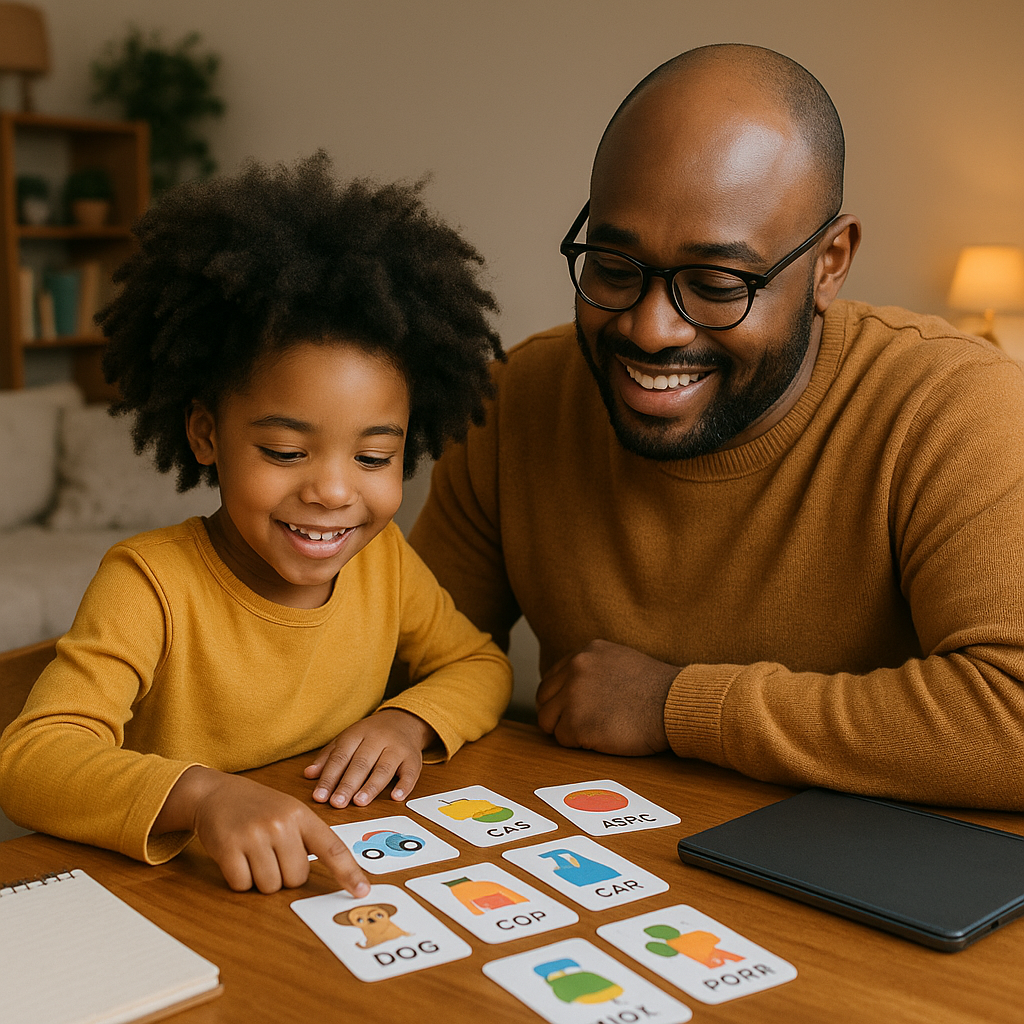
Begin with connection
A shared activity can become a natural moment for language, questions, turn-taking, and discovery.
Choose a direction
Four ways to enter a learning moment
There is no single starting point. Follow what feels relevant today, then let one activity naturally lead into another through conversation, play, observation, and repetition.
Language
Words, sounds & stories
Use alphabet activities, vocabulary cards, early reading resources, and storytelling prompts to make language part of everyday conversation.
Numbers
Counting, patterns & early math
Explore quantities, matching, sorting, simple sequences, and number relationships through hands-on materials that make ideas visible.
Discovery
Questions, puzzles & problem solving
Try puzzles, logic games, observation activities, and simple discovery tools that encourage children to test ideas and look for possible solutions.
Everyday skills
Routines, feelings & independence
Use visual schedules, routine tools, responsibility prompts, and feelings resources to make everyday expectations easier to discuss and practice together.
A simple learning rhythm
Invite, explore, revisit.
A useful activity does not need to feel like a lesson. Keep the materials clear, the conversation open, and the pace flexible enough for the child to take part in their own way.
Familiar activities can be repeated with a small change: a new word, a different sorting rule, another question, or a new way to explain what happened.
Invite interest
Place one clear activity within reach and introduce it with a simple invitation. Start from a topic, object, picture, or question that already catches attention.
Explore together
Give space for pointing, arranging, explaining, choosing, drawing, matching, counting, or trying another approach. The process can be as meaningful as the answer.
Reconnect later
Bring the idea back during a story, a routine, another game, or an everyday conversation so learning can connect with something familiar beyond the original activity.

Hands-on understanding
Make ideas visible, movable, and discussable.
Cards, counters, puzzles, drawing materials, and visual learning tools can turn an abstract idea into something a child can point to, move, compare, describe, and revisit.
Keep one goal clear
Choose a focused activity such as matching letters, sorting quantities, sequencing pictures, or completing one puzzle.
Add language to the action
Talk about what changes, what belongs together, what comes next, and why one choice may be different from another.
Leave room for another idea
A counting activity can become a pattern activity. A picture card can become a story. A puzzle can lead to a conversation about strategy.
Learning areas
One activity can support more than one kind of thinking
Use these areas as flexible starting points rather than separate boxes. A story can include counting, a craft can include planning, and a daily routine can include language, sequencing, and decision-making.
Language & early reading
Alphabet cards, phonics activities, sight words, storytelling prompts, picture sequencing, and vocabulary resources can create many reasons to talk about words.
Try asking: “What do you notice?” or “What could happen next?”
Numbers & early numeracy
Counting pieces, number cards, sorting sets, matching activities, and simple patterns help make quantity and sequence easier to explore with hands and eyes.
Try asking: “How many?” “Which has more?” or “What comes next?”
Logic & problem solving
Puzzles, matching games, sequencing tasks, and brain games invite children to compare possibilities, change strategies, and work toward a solution.
Try asking: “What else could you try?”
Creativity & making
Drawing, crafts, DIY activities, and open-ended materials can combine imagination with planning, experimenting, storytelling, and practical choices.
Try asking: “Tell me about what you made.”
Feelings & communication
Feelings cards, conversation tools, and story-based prompts can offer a shared way to name emotions, compare experiences, and talk through everyday situations.
Try asking: “What might this person be feeling?”
Routines & independence
Visual schedules, routine boards, responsibility tools, and planning resources can make everyday steps easier to see, discuss, and participate in.
Try asking: “What is the next step?”
Learn side by side
Turn shared play into a conversation.
When families solve, sort, build, read, plan, or create together, adults can model curiosity without taking over the activity. A few open prompts can keep the child involved in the thinking.
Notice
“What stands out to you?”
Predict
“What do you think might happen?”
Explain
“How did you decide?”
Extend
“Can we try it another way?”
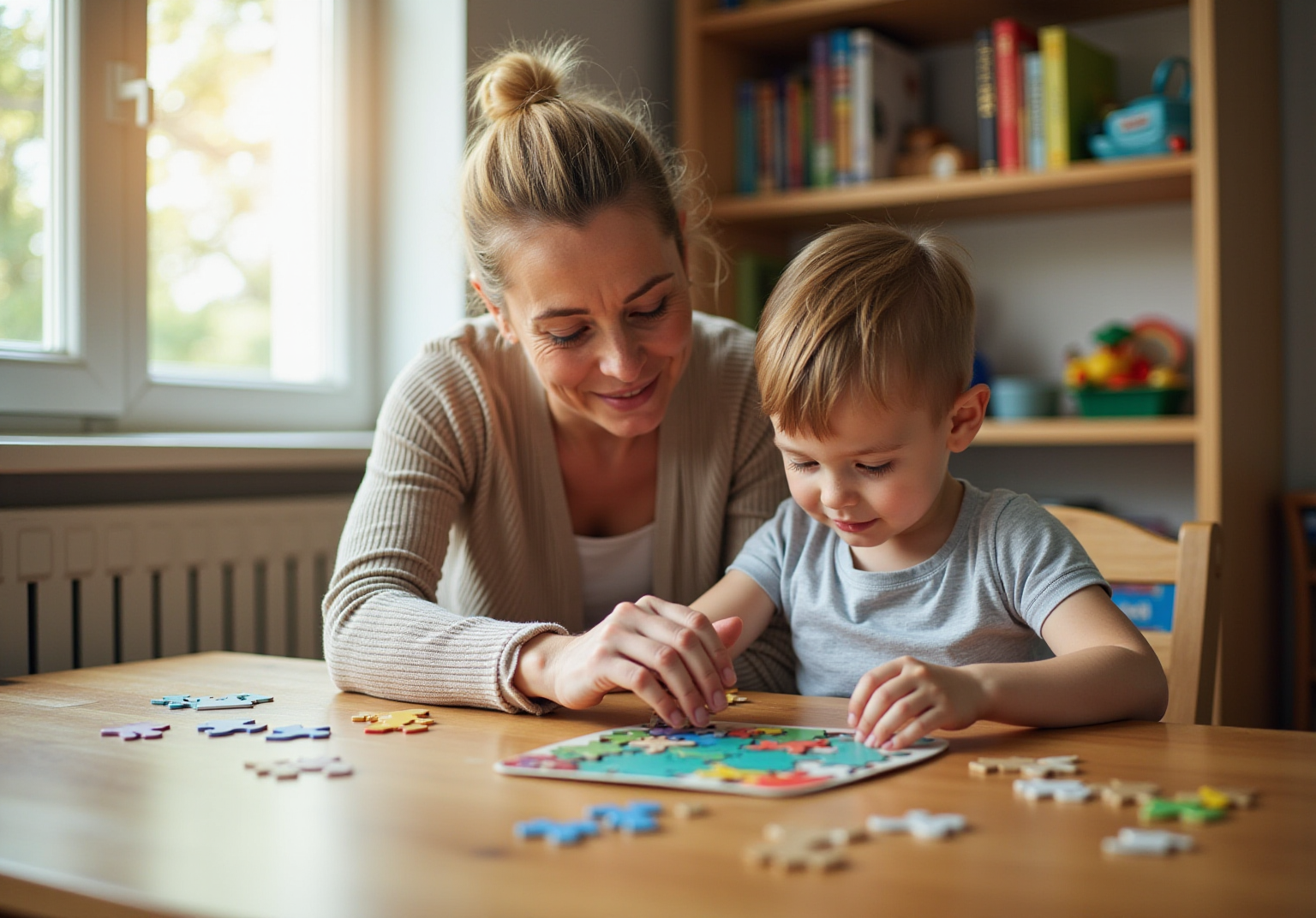
Choose by the moment
Learning can fit the day you actually have
Some days invite a longer project. Others only have room for one small activity. Choose a format that feels manageable instead of trying to make every learning moment look the same.
A quick moment
One card, one question
Pick a vocabulary card, number card, feeling card, or picture prompt and spend a few minutes naming, comparing, or talking about it.
Good for: language, numbers, feelings
A calm table activity
Sort, match, build
Use a puzzle, matching set, counting material, sequencing activity, or logic game for a focused hands-on session.
Good for: problem solving, early math, attention
A creative afternoon
Make something together
Combine drawing, cutting, arranging, storytelling, and simple planning in a craft or DIY project that leaves room for personal choices.
Good for: creativity, communication, planning
An everyday routine
Practice through real life
Use visual schedules, routine boards, checklists, or responsibility prompts while moving through familiar parts of the day.
Good for: sequencing, participation, independence
Keep it thoughtful
Three principles for a calmer learning space
A useful learning environment can be simple. Clear materials, room to participate, and a flexible pace often matter more than filling the table with too many choices at once.
Less on the table
Keep the immediate activity visually clear. A smaller set of cards, pieces, or tools can make it easier to see what the activity is inviting the child to do.
More back-and-forth
Make space for choosing, pointing, explaining, asking, and responding. Shared attention can turn even a simple material into a richer family learning moment.
Repeat with variation
Familiarity and novelty can work together. Return to a known activity and change one element so there is something comfortable to recognize and something new to explore.
Learning Guide FAQ
A few useful questions
Use the guide as a flexible reference. Every family routine is different, so choose activities and tools that fit the child, the moment, and the way you prefer to learn together.
How do I choose a learning activity?
Start with the kind of activity the child is ready to engage with today. That may be language, counting, drawing, a puzzle, a feelings conversation, or an everyday routine. A focused activity with a clear purpose is often easier to explore than many materials presented at once.
Do learning activities need to feel like schoolwork?
No. Curiora is designed around learning through meaningful play, conversation, discovery, and practical participation. Reading a picture, sorting objects, telling a story, following a visual routine, or solving a puzzle can all create useful learning moments.
What if an activity feels too easy or too difficult?
Adjust the amount of material or change the invitation. You can use fewer cards, complete part of a puzzle together, add a visual example, simplify the question, or extend a familiar activity with one new challenge.
Can one learning tool be used in different ways?
Often, yes. A picture card can support naming, sorting, storytelling, memory, or conversation. Number materials can support counting, comparison, sequencing, or patterns. Look for simple ways to revisit the same material from another angle.
Where can I find help choosing Curiora learning resources?
Browse all learning categories to compare different types of resources, or contact Curiora if you need help navigating the store and choosing between available product categories.
Keep exploring
Find a starting point for your next learning moment.
Explore Curiora learning resources for language, numbers, problem solving, creativity, emotional expression, routines, and everyday skills—or contact us if you need help navigating the collection.