
Family Learning Tips
Make learning feel more like part of family life.
Family learning does not need a complicated schedule. Reading together, sorting objects, asking curious questions, making something by hand, or talking through an everyday task can all create meaningful opportunities to learn.

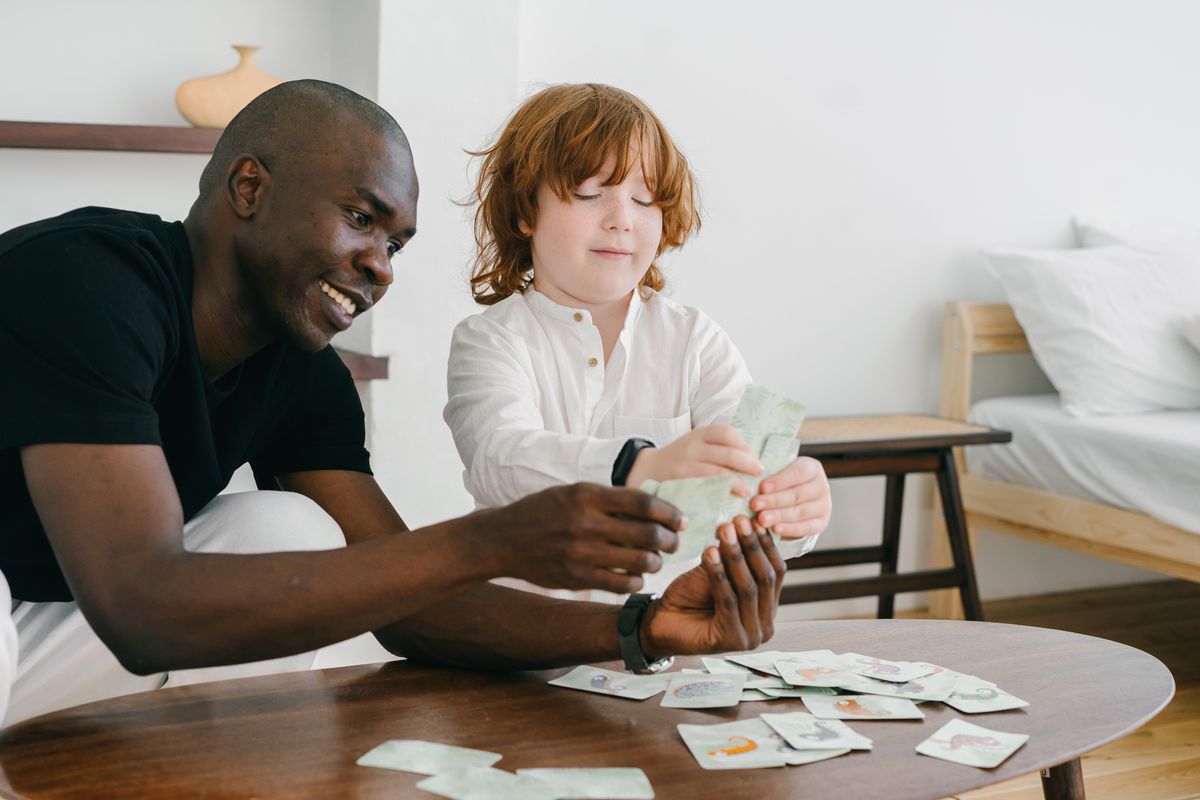
Everyday moments can become useful learning moments.
Families already do many things that support learning: reading signs, comparing sizes, following instructions, telling stories, asking questions, taking turns, noticing feelings, and solving small problems together.
Curiora encourages a simple, flexible, and connected approach. Instead of turning the home into a classroom, use familiar routines and meaningful play as opportunities for curiosity, communication, creativity, and practical skill-building.
Keep family learning clear, playful, and easy to return to.
These ideas can be adapted to reading, language, numbers, creativity, problem solving, routines, emotional learning, and everyday life skills.
Start with ten minutes
A short activity can be enough for reading, matching cards, counting, drawing, sorting, or talking through a question together.
Short and repeatableMake materials visible
Keep a small selection of books, cards, puzzles, drawing materials, or activity tools where they are easy to notice and use.
Easy to reachAsk open questions
Try questions such as “What do you notice?”, “What could happen next?”, or “How else could we solve this?”
Invite thinkingLearn side by side
Join the activity rather than only directing it. Taking turns, wondering aloud, and trying ideas together can keep learning collaborative.
Shared participationConnect learning to life
Count while setting the table, compare shapes while tidying, read labels together, or use routines to practice sequencing and planning.
Useful contextFollow the interest
If a child is curious about a word, animal, number, story, feeling, or everyday process, use that interest as a natural starting point.
Curiosity firstLearning can fit around the day instead of taking over the day.
A family learning rhythm can be light and flexible. Choose moments that already exist and add one small learning idea when it feels useful.
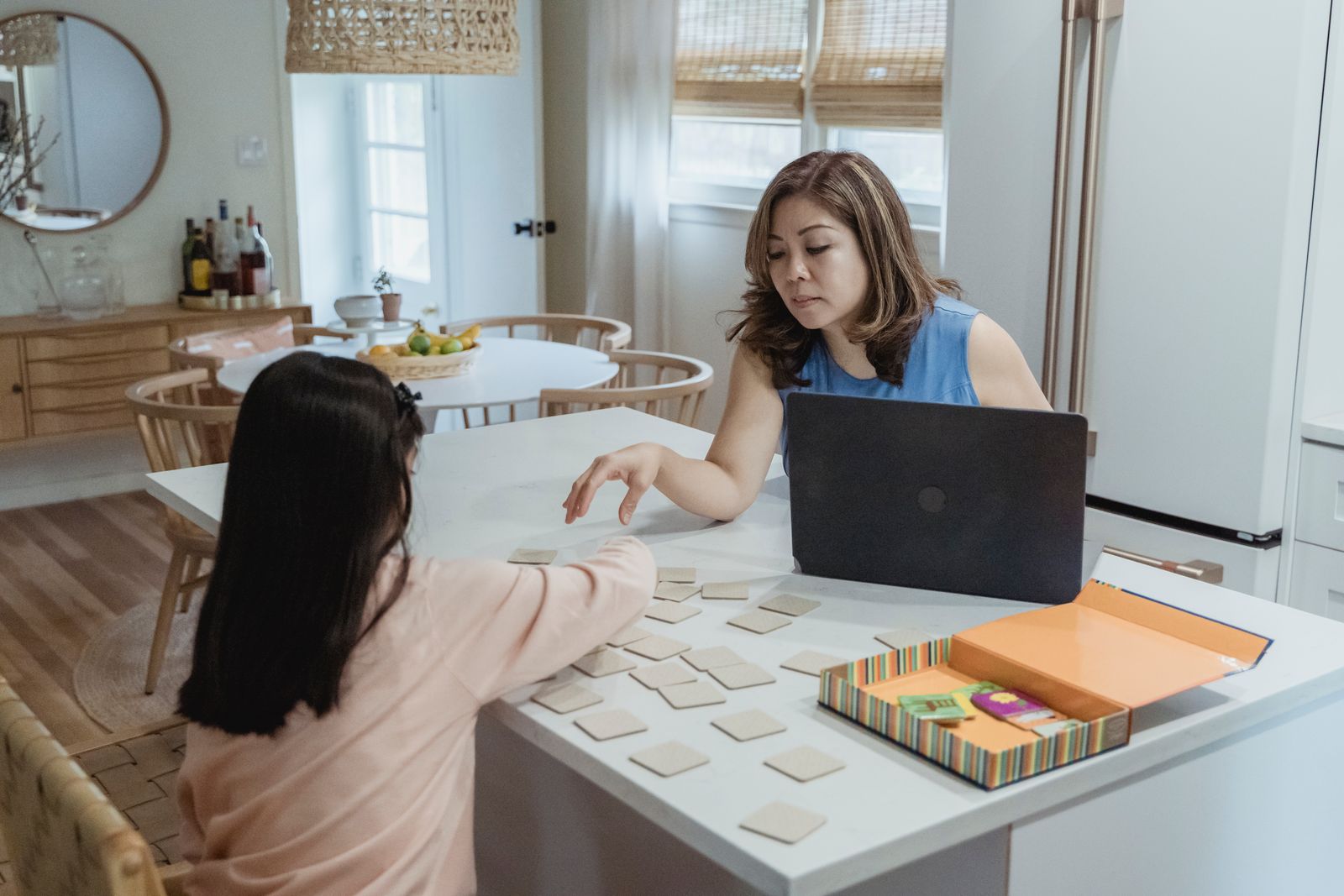
Play gives learning a useful reason to happen.
Puzzles, matching games, storytelling prompts, flash cards, creative materials, and hands-on activities can make concepts easier to explore because children are doing something with the idea.
Use the same family approach across different kinds of learning.
The activity can change while the family learning habits stay familiar: notice, ask, try, talk, and revisit.
Language & Reading
Read together, retell stories, notice letters and sounds, match words to pictures, and use conversation to build vocabulary.
Numbers & Logic
Count real objects, compare groups, sort by features, make patterns, and solve simple puzzles together.
Creativity & Discovery
Draw, build, make, test ideas, notice changes, and ask what might happen if something is done differently.
Life Skills & Communication
Practice routines, planning, responsibility, feelings vocabulary, self-care steps, and everyday problem solving.
Learning can also be a way to spend thoughtful time together.
When families talk, build, read, solve, draw, or explore side by side, the activity can support both learning and connection without needing to become a formal lesson.
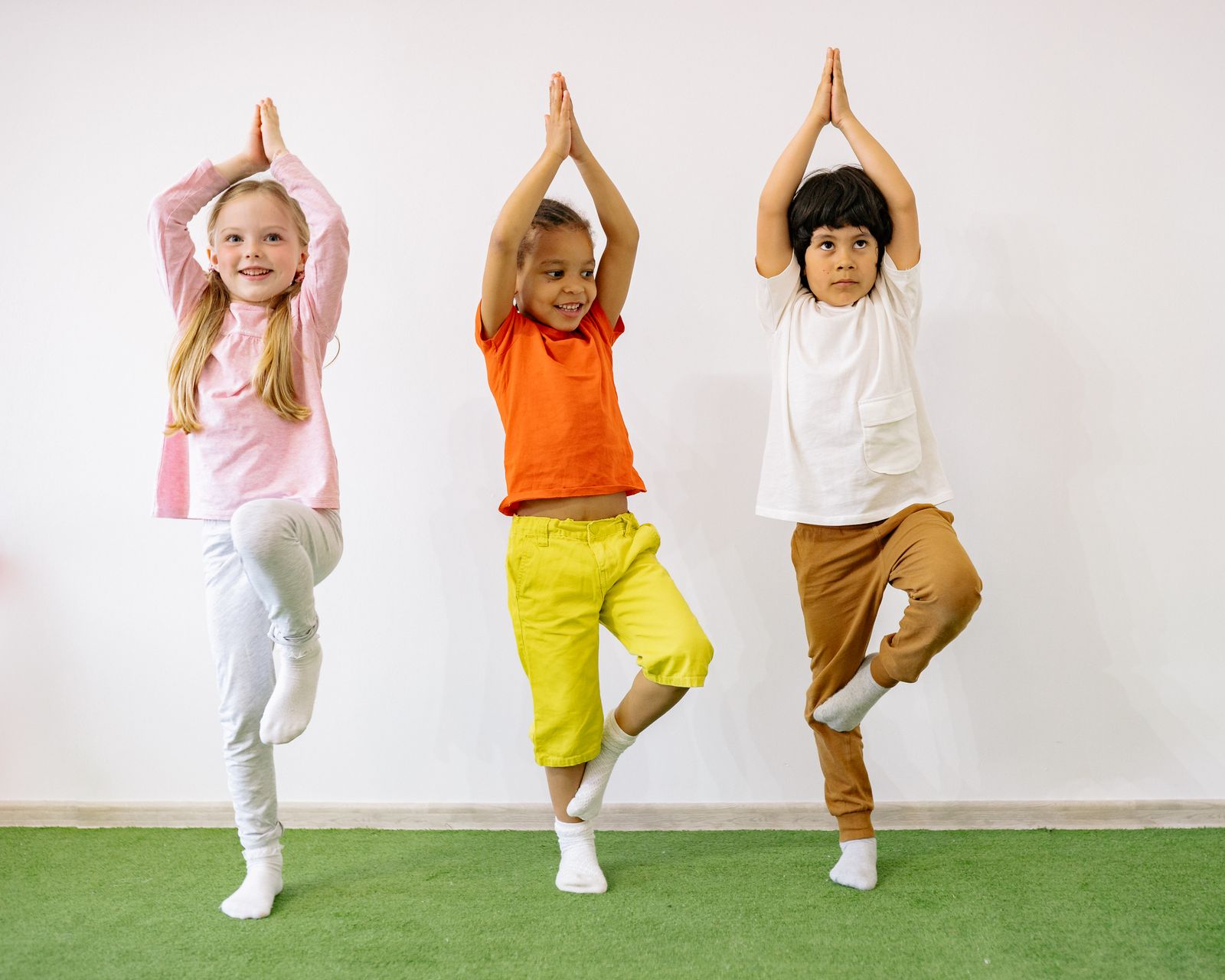
A good family learning routine leaves room for flexibility.
Do less, more often
A few reliable activities can be more useful than trying to fill every day with many different learning tasks.
Consistency over volumeAdapt to the day
Some days may suit reading, while others are better for movement, drawing, sorting, conversation, or practical routines.
Flexible by designKeep connection visible
Family learning can include encouragement, listening, shared curiosity, and enjoying an activity together—not only completing a task.
Learn togetherSimple questions for building a family learning rhythm.
Family learning can stay flexible, practical, and connected to the routines and interests already present at home.
How long should a family learning activity last?
Does family learning need a fixed daily schedule?
What if a child loses interest in an activity?
Can the same learning tool be used in different ways?
Where can I ask about a Curiora learning resource?
Turn curiosity, conversation, and everyday play into meaningful family learning.
Explore Curiora resources for early learning, language, numbers, creativity, problem solving, emotional awareness, routines, and practical life skills.