
Emotional Learning
Make feelings easier to notice, name, and share.
Curiora brings simple visual learning tools, conversation prompts, and playful family activities into everyday moments—creating more opportunities for children to explore feelings, practice communication, and build useful emotional vocabulary at their own pace.

Feelings become more approachable when they have words.
Emotional learning does not need to feel like a lesson. A picture card at breakfast, a question after play, or a few quiet minutes together can open space for children to describe what they notice.
Curiora focuses on clear prompts, meaningful play, and repeatable family routines. The goal is not to rush toward a particular response, but to make talking about feelings feel familiar, practical, and part of everyday life.
Notice
Start with what can be seen: a face, a body clue, a situation, or a change in mood.
Pause and observeName
Offer useful language such as happy, worried, frustrated, proud, calm, surprised, or unsure.
Build useful wordsExpress
Invite children to communicate through words, pointing, drawing, storytelling, or choosing a visual card.
More than one way to shareKeep emotional learning simple enough to use every day.
Short, familiar steps can make conversations easier to begin without turning everyday feelings into a formal lesson.
See the clue
Look at a face, picture, story scene, or everyday moment together and notice what is happening.
Choose a word
Connect what you notice with one or two feeling words that make sense for the situation.
Talk it through
Ask a small, open question and allow time for a spoken answer, gesture, picture choice, or drawing.
Reconnect
End with connection—listening, acknowledging the idea, and moving naturally back into the day.
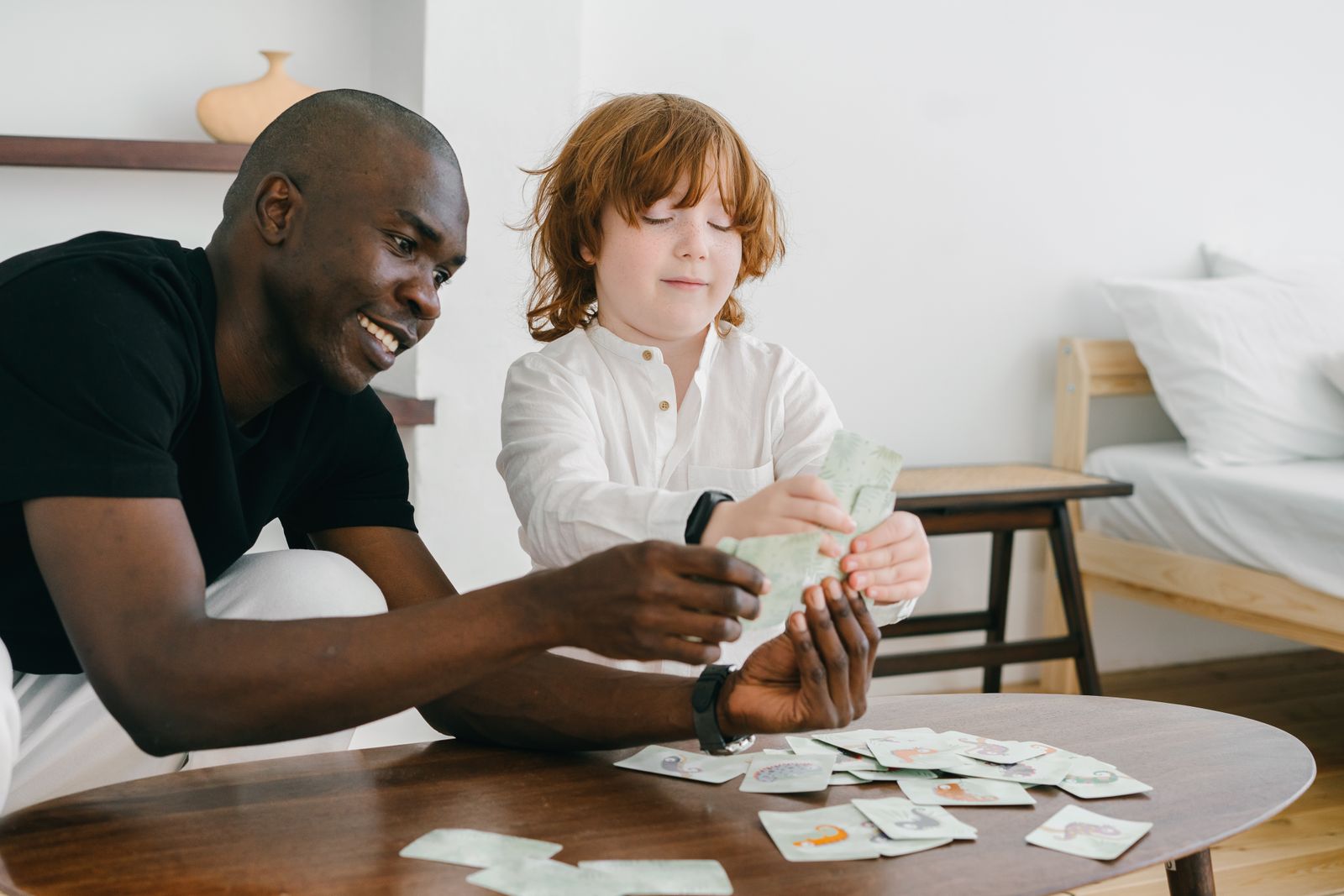
Move beyond “good” or “bad” with clearer everyday language.
Visual cards, matching activities, stories, and simple prompts can give families practical ways to introduce a wider range of emotional words.
Small questions can create meaningful conversation.
Choose one prompt at a time. There is no need to ask every question or expect one specific answer. Listening is part of the activity.
“What do you notice about this face?”
“What might have happened just before this?”
“When have you felt something a little like this?”
“What might this person want to say or ask for?”
Bring emotional language into moments that already happen.
Familiar routines can provide natural openings for reflection, communication, storytelling, and family connection.
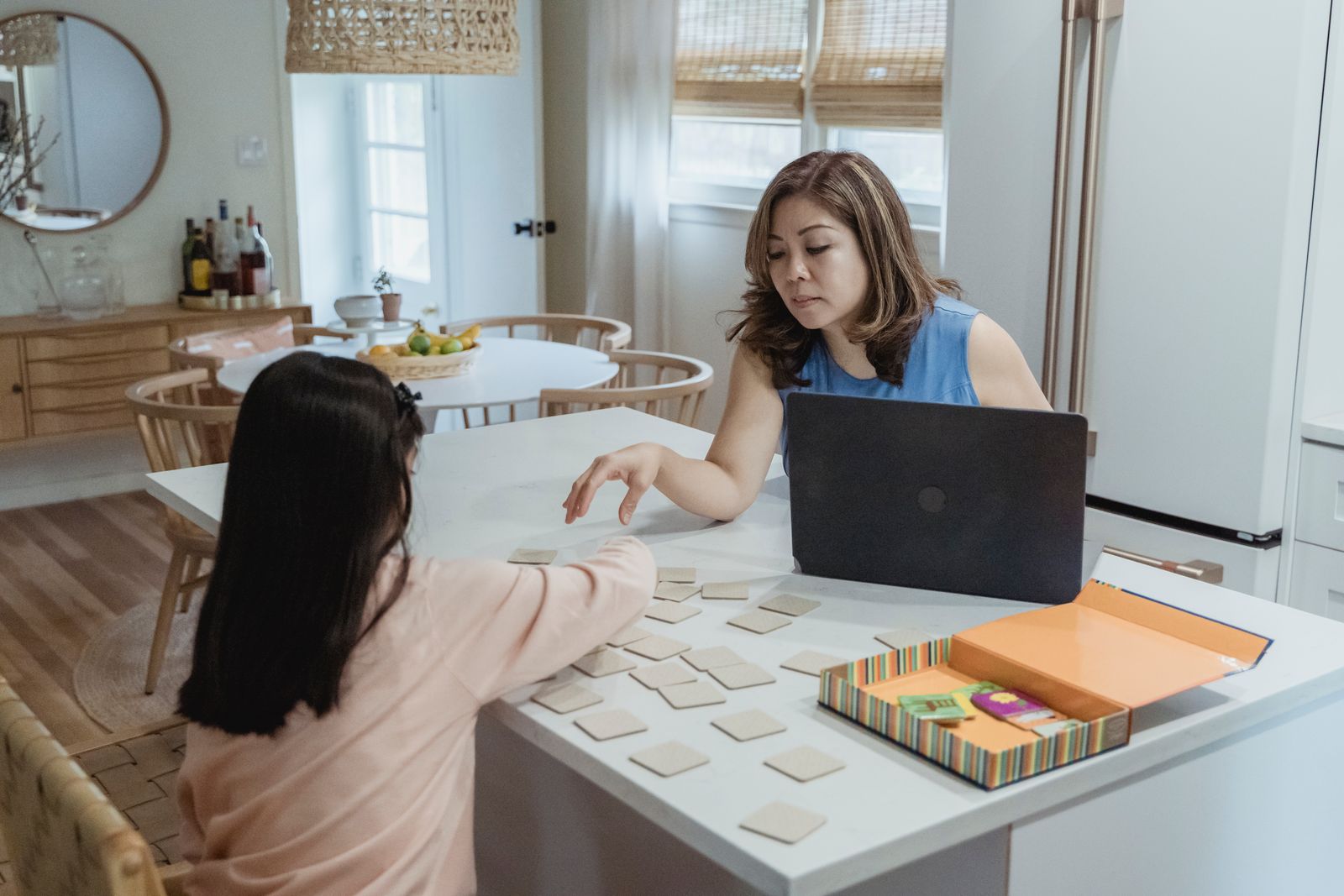
Story time
Pause at a character moment and wonder together about what the character may be feeling.
Daily transitions
Use a visual choice or feeling word before school, after an activity, or while moving into a new routine.
Learning through play
Use matching, sorting, drawing, role play, or card games to make emotional vocabulary more interactive.
Family check-ins
Choose one feeling, one highlight, or one difficult moment to share without turning the check-in into a test.
Make room for expression without making every feeling a problem to solve.
Keep choices manageable
A few clear feeling options can be easier to explore than a large set presented all at once.
Simple firstModel the language too
Adults can use ordinary feeling words in context, showing that emotional vocabulary belongs in everyday conversation.
Learn togetherLeave space for another answer
Children may interpret a picture or situation differently. Curiosity can be more useful than searching for one “correct” response.
Stay curiousQuestions families often consider.
Keep emotional learning flexible, age-aware, and connected to real family moments rather than rigid expectations.
What does emotional learning mean at Curiora?
How can families use feelings cards or visual prompts?
Does every activity need a spoken answer?
When can emotional learning tools fit into a routine?
Where can I ask questions about a Curiora learning resource?
Create more room for feelings, words, and everyday connection.
Explore Curiora learning resources designed for meaningful play, family conversation, early learning, communication, creativity, and practical life skills.