
Independence Skills
Small everyday steps can make room for greater independence.
Curiora brings visual routines, responsibility tools, planning resources, and practical learning activities into familiar family moments—helping children take a more active role in everyday tasks at a comfortable pace.
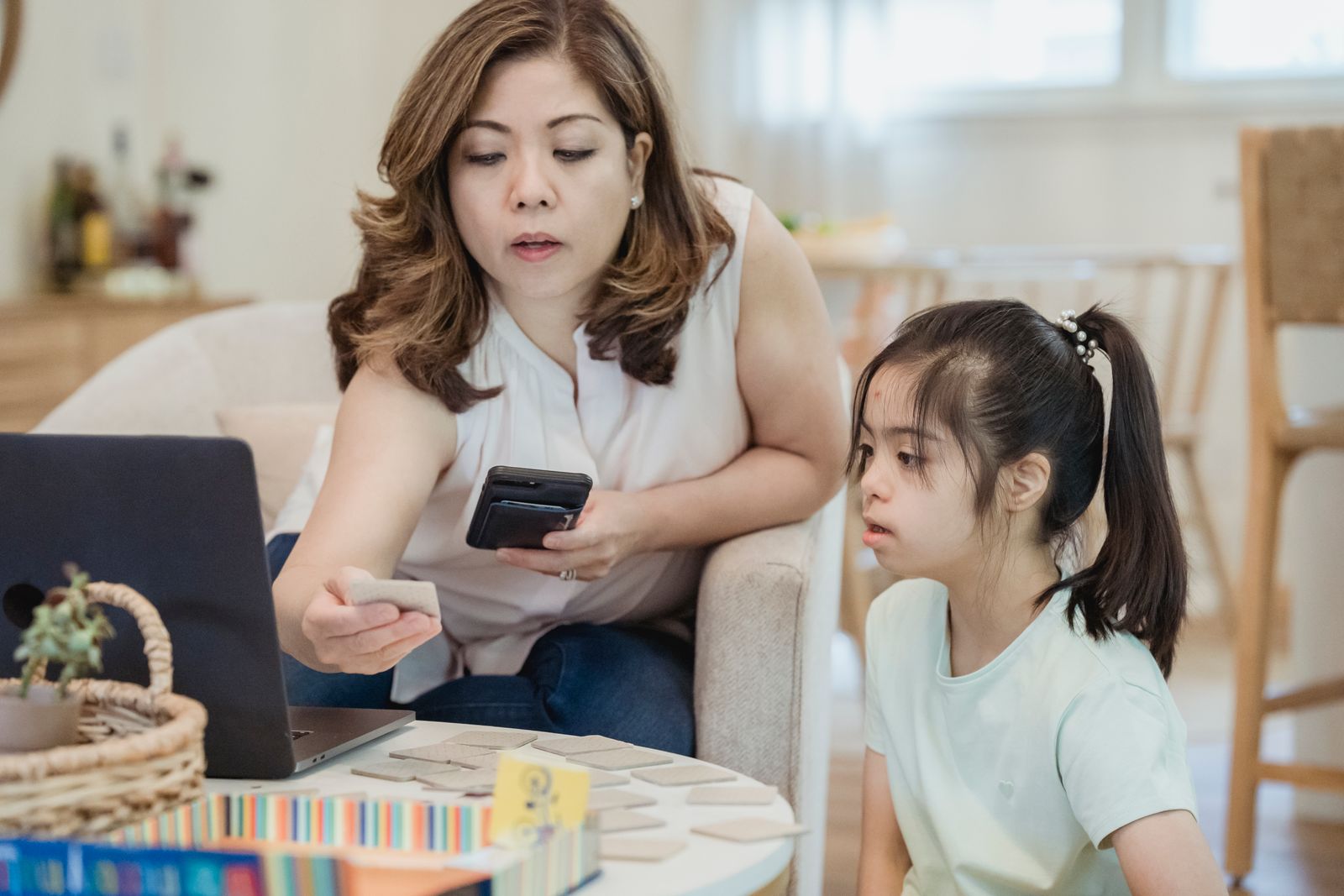
Independence grows through participation, not pressure.
Everyday independence can begin with very ordinary moments: choosing what comes next, helping prepare a space, following a familiar routine, packing away materials, or remembering a small responsibility.
Curiora focuses on practical steps, clear visual support, and meaningful family participation. The goal is not to rush children toward doing everything alone, but to create more opportunities to practice, contribute, make choices, and understand everyday routines.
Build practical skills around the moments families already share.
Different tools can support different parts of everyday life, from simple self-care sequences to planning and family responsibility.
Self-Care Steps
Use clear sequences and visual reminders to make familiar care routines easier to understand and follow.
One step at a timeDaily Routines
Visual schedules can show what happens now, what comes next, and when a familiar routine is complete.
See what comes nextResponsibility
Simple charts and repeated household roles can help children participate in practical family tasks.
Take part togetherPlanning & Time
Early planning tools can help make transitions, choices, and simple time-based expectations more visible.
Plan with clarity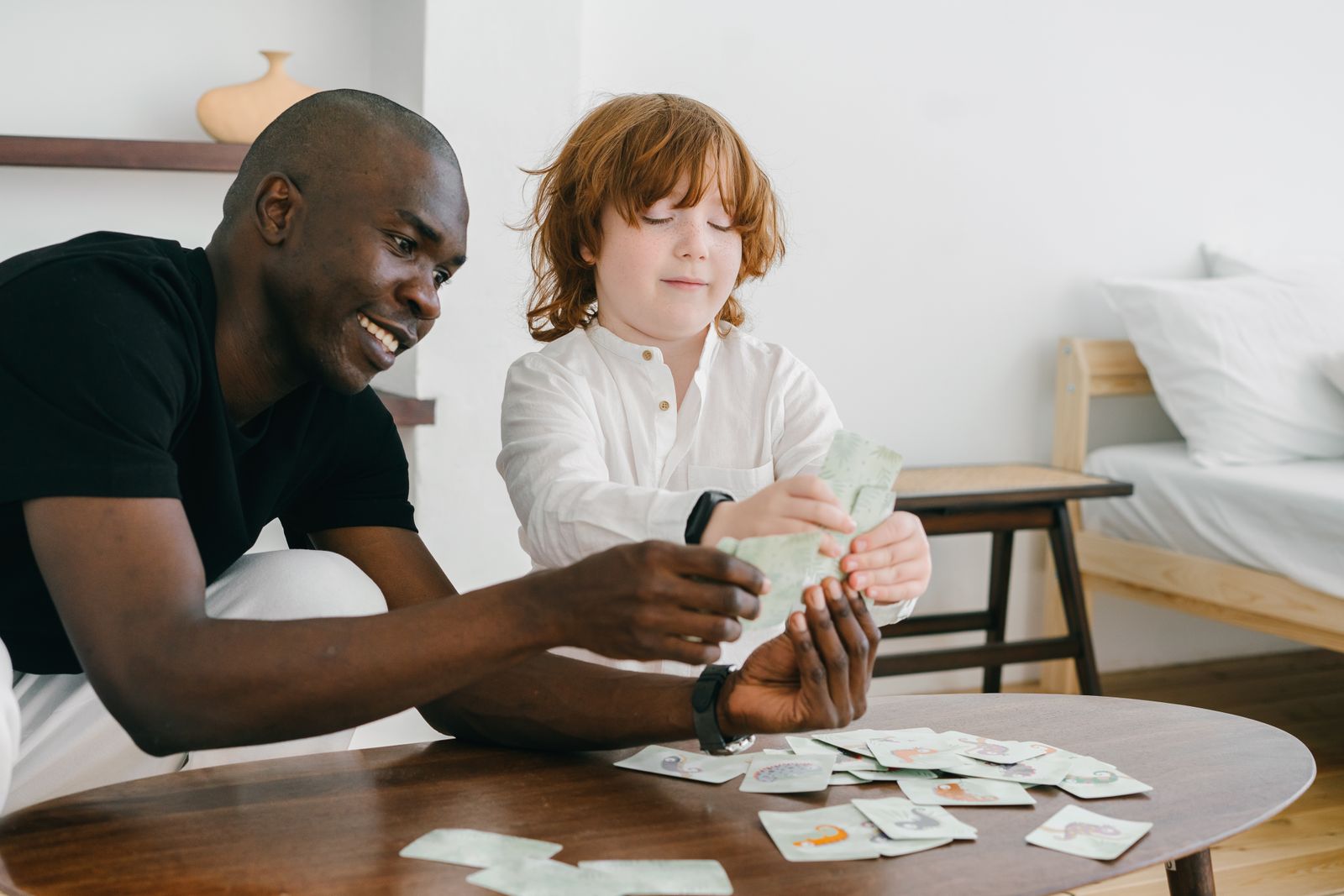
Support first. Practice next. Step back gradually.
Everyday skills can feel more manageable when adults make the task visible, model the sequence, and leave room for children to try part of it themselves.
The same task can look different as familiarity grows.
Independence is not an all-or-nothing moment. Families can adjust support depending on the task, the day, and what feels manageable.
Watch
The adult models the task while naming or showing each simple step.
Join In
The child completes one familiar part while the adult handles the rest.
Try the Sequence
A visual prompt or reminder stays nearby while the child attempts several steps.
Take the Lead
The child begins the familiar task more independently while help remains available when needed.
Make routine steps visible before expecting them to be remembered.
A visual sequence can turn an abstract instruction into something easier to follow. Families can use pictures, simple labels, removable cards, or check-off steps to organize familiar routines.
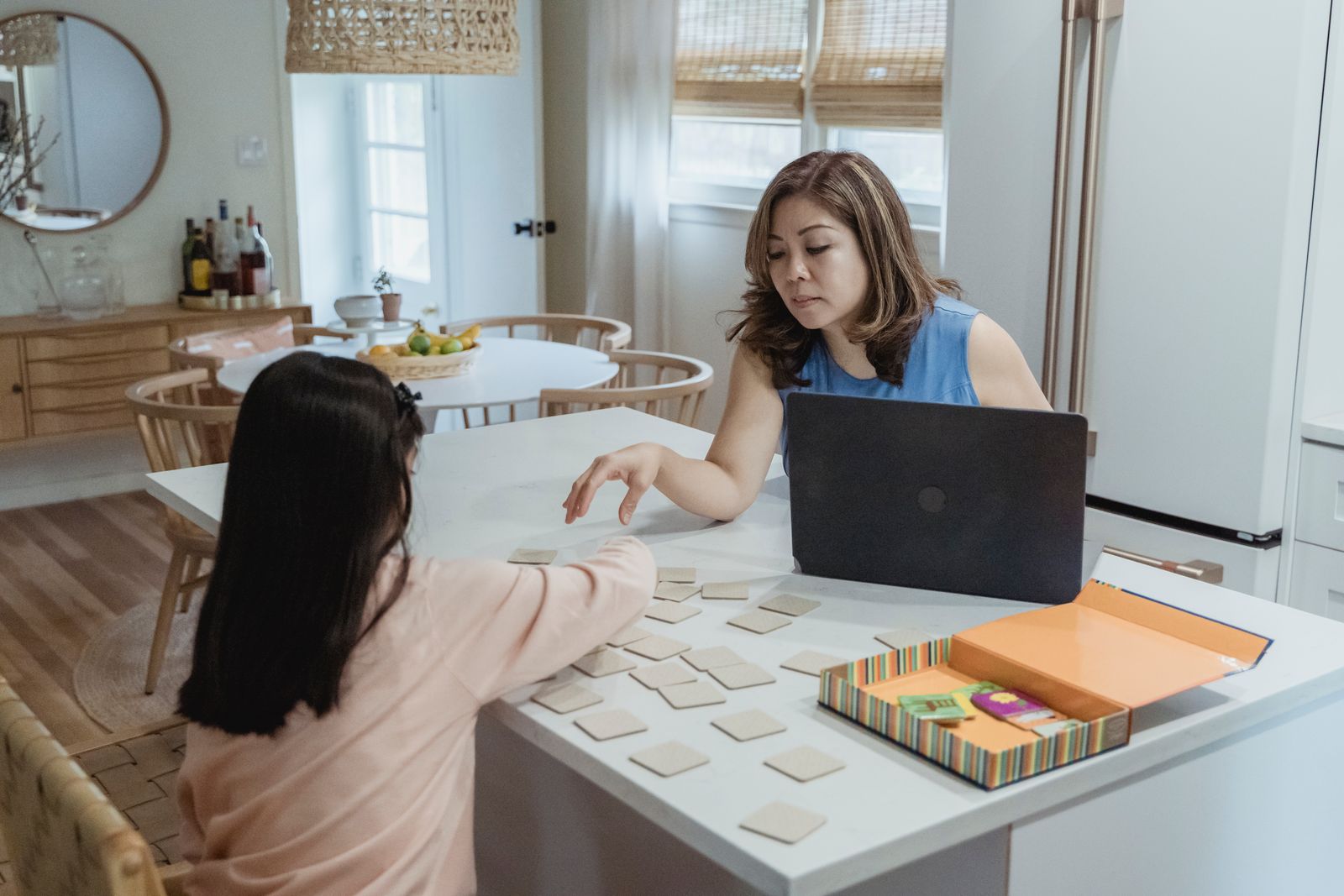
Choose tools that make expectations clearer, not more complicated.
Visual Schedule Boards
Arrange steps or activities in a visible sequence so children can see what is happening now and what comes next.
Routine clarityResponsibility Charts
Keep a small number of practical family tasks visible and easy to revisit without turning participation into a complicated system.
Family participationPlanning & Choice Tools
Use simple planners, choice cards, and sequence prompts to support early decision-making and everyday organization.
Practical choices
Independence and connection can grow side by side.
Children can take on more responsibility while still knowing support is nearby. A calm reminder, a visual cue, or doing the first step together can keep a task approachable without taking over completely.
Practical questions for everyday routines.
Keep routines flexible and realistic. Different tasks may need different levels of support at different times.
What are independence skills at Curiora?
How can visual schedules support everyday routines?
Does independence mean completing tasks without help?
How can families keep responsibility charts manageable?
Where can I ask about a Curiora learning resource?
Give everyday routines a clearer path from “help me” to “I can try.”
Explore Curiora resources for visual routines, responsibility, planning, communication, family learning, and practical life skills.